
How to Store Coffee for Maximum Freshness, Aroma, and Flavor Retention
Coffee storage plays a critical role in preserving its aroma, flavor, and overall freshness. These qualities degrade quickly when coffee is exposed to air, moisture, heat, or light—making proper storage essential across all coffee types, including whole beans, ground coffee, and instant coffee.
The primary cause of coffee freshness loss is oxidation, a chemical process triggered by oxygen exposure that breaks down the compounds responsible for coffee’s taste and fragrance. Additionally, coffee is hygroscopic—meaning it naturally absorbs moisture from its environment, which further accelerates aroma loss, staleness, and flavor degradation. Effective storage methods use specific containers, environments, and timeframes to counter these factors and maintain coffee quality over time.
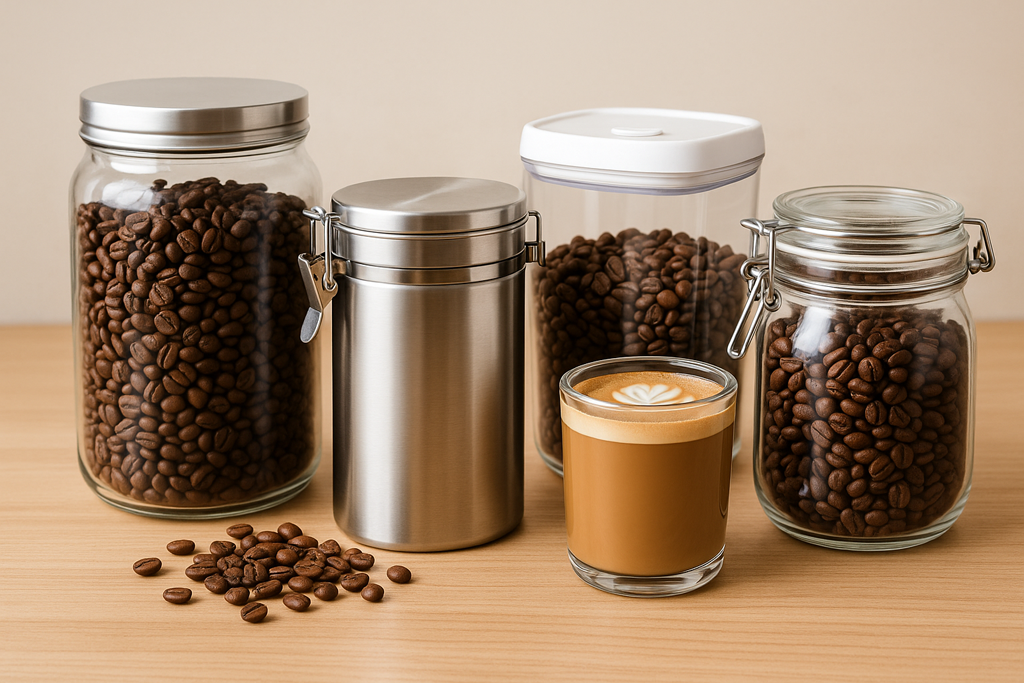
How to Store Whole Coffee Beans?
To preserve the full aroma and flavor profile of whole coffee beans, follow these proven storage techniques immediately after purchase or roasting:
- Place whole coffee beans in an airtight container immediately after opening the original packaging to limit oxygen exposure.
- Use lightproof containers made from stainless steel, opaque ceramic, or dark glass to protect beans from sunlight exposure.
- Store the container in a cool, dark place with minimal temperature fluctuations, such as a pantry or cupboard.
- Allow the beans to degas for several hours post-roast before sealing to avoid pressure buildup and ensure optimal flavor retention.
- Divide large quantities into two-week portions and seal each separately to maintain peak freshness across usage cycles.
How to Store Ground Coffee?
Ground coffee deteriorates faster than whole beans because grinding exposes more surface area to oxygen and moisture. To extend its shelf life and preserve flavor, use the following storage best practices:
- Transfer ground coffee into a sealed container with an airtight lid immediately after grinding or opening the packaging.
- Store the container in a dry, cool, and dark location to prevent moisture absorption and degradation from light or heat.
- Avoid grinding large quantities in advance; instead, grind only what is needed to reduce surface area exposure and slow oxidation.
- Clean the coffee grinder regularly to prevent oil buildup, which can cause rancid flavors and affect coffee quality.
- Use containers with minimal headspace to reduce oxygen contact and slow flavor loss over time.
How to Store Instant Coffee and Single-Serve Packets?
Instant coffee, coffee pods, and single-serve packets require specific conditions to preserve texture, prevent caking, and retain flavor. Use the following storage guidelines to protect these products from humidity, heat, and air exposure:
- Store instant coffee and single-serve packets in a dry, airtight environment away from heat and moisture.
- Use resealable zippers or tightly lidded jars to prevent caking and maintain the powder’s texture.
- Check the expiration date on each item and discard any product that has been exposed to ambient humidity.
- Unopened packets typically remain stable for up to 12 months, but once opened, they should be resealed immediately to minimize quality loss.
- Avoid storing near stoves, dishwashers, or windows, where temperature and humidity fluctuations are common.
Container Options for Coffee Storage
The following container options are commonly used to preserve coffee freshness under various storage conditions.
- Mason jars provide airtight storage but must be kept in a dark cupboard due to their transparency.
- Fellow Atmos containers include a built-in vacuum pump to remove air and extend freshness for beans and grounds.
- FoodSaver vacuum sealers create oxygen-free environments, ideal for long-term freezer storage.
- Resealable zippers are useful for short-term use but offer limited protection from air and moisture unless triple-layered.
- Ceramic containers with rubber gaskets block light and air, making them excellent for countertop storage.
- Stainless steel containers resist heat and light exposure, especially those with one-way degassing valves.
- Glass containers are usable only if UV-coated or stored in dark locations to prevent flavor degradation.
- Airtight coffee canisters with one-way valves allow CO₂ release without letting oxygen in, preserving roast freshness.
Where to Store Coffee to Keep It Fresh?
Coffee should be stored in a cool, dark place with consistent temperature and low humidity to maximize freshness. Pantry storage or enclosed cupboards away from ovens and windows offer optimal climate stability. Exposure to temperature fluctuations accelerates chemical breakdown and staleness. Avoid placing coffee near dishwashers or stoves where ambient moisture is high. A dry location with limited air circulation helps prevent mold growth and condensation inside containers.
Freezing Coffee vs. Refrigerating It: What Actually Works
Freezer storage is suitable for long-term preservation if coffee is vacuum sealed to prevent moisture absorption and freezer burn. Ground coffee should be frozen in airtight, portioned packages to avoid repeated thawing. Thaw only what you need and let it reach room temperature before opening to avoid condensation. Refrigerating coffee is discouraged due to frequent temperature changes and high ambient humidity, which can lead to condensation formation and odor absorption from other foods.
Coffee Shelf Life Comparison by Storage Method
This table shows how long different forms of coffee stay fresh under various storage conditions.
| Coffee Type | Storage Method | Estimated Freshness Duration |
|---|---|---|
| Whole Beans | Pantry (Airtight Container) | 2–3 weeks after roast |
| Whole Beans | Vacuum Sealed + Freezer | Up to 3 months |
| Ground Coffee | Pantry (Airtight Container) | 1–2 weeks |
| Ground Coffee | Vacuum Sealed + Freezer | Up to 2 months |
| Instant Coffee | Unopened, Pantry | Up to 12 months (check best-by date) |
| Instant Coffee | Opened, Airtight Container | Up to 1 month |
Common Coffee Storage Mistakes to Avoid
To preserve coffee freshness, avoid the storage mistakes listed below:
- Do not store coffee in the refrigerator, as it causes moisture absorption and flavor degradation.
- Do not leave coffee near windows or ovens, where it is exposed to sunlight and heat.
- Do not buy coffee in bulk without properly portioning and sealing excess amounts.
- Do not use oversized containers that create excess headspace and increase oxygen exposure.
- Do not rely on transparent jars without UV protection, because light exposure accelerates aroma and oil breakdown.
Frequently Asked Questions About Coffee Storage
How long can coffee beans stay fresh at room temperature?
Whole coffee beans stored in a sealed, airtight container at room temperature typically stay fresh for 2 to 3 weeks after roasting. Degassing occurs during the first 12–24 hours post-roast and should complete before sealing. Oxidation accelerates after this period, so minimizing exposure to air and light is crucial.
What is the best container for storing coffee?
The best container for storing coffee is an airtight, lightproof, non-reactive canister made from stainless steel or opaque ceramic. These materials block both oxygen and sunlight, minimizing the coffee oxidization process and preserving aroma and flavor for longer periods.
Can you freeze ground coffee?
Ground coffee can be frozen for extended storage if it is vacuum sealed to eliminate moisture exposure. Portion the coffee into single-use packs before freezing to avoid repeated thaw cycles, which degrade flavor and aroma.
Is it okay to refrigerate coffee?
Refrigerating coffee is not recommended. Cold environments in refrigerators promote condensation formation when containers are opened. Additionally, the porous nature of ground coffee allows it to absorb odors from nearby food, altering its taste. Temperature fluctuations further accelerate quality loss.
Does instant coffee expire?
Instant coffee does expire. While unopened jars may remain usable for up to a year, exposure to moisture accelerates spoilage. Always check the expiration date, and ensure opened containers are tightly sealed and stored in a dry location.
Should I store coffee in its original packaging?
You can store coffee in its original packaging if it’s unopened and includes a one-way valve—but for long-term freshness, transfer the coffee to an airtight container after opening. Original packaging is designed for short-term storage and may not fully protect against oxygen or moisture once opened.
Why is light exposure bad for coffee?
Light exposure is bad for coffee because it triggers photo-oxidation, a process that breaks down aromatic oils in coffee and degrades flavor. Using lightproof containers shields coffee from sunlight and artificial light, preventing bitter and stale taste profiles.
How should I store coffee if I buy in bulk?
When buying in bulk, divide the coffee into two-week portions and seal each batch in a vacuum bag or airtight container. Store surplus portions in the freezer while keeping one active batch in the pantry. This prevents oxygen and moisture from damaging the unused coffee.
Does coffee lose its flavor over time even if sealed?
Yes, coffee gradually loses its flavor due to natural chemical breakdown even when stored in sealed containers. While airtight storage slows aging, it cannot halt the coffee aging process entirely. Use stored coffee within recommended timeframes for best results.
What are signs that coffee has gone stale?
Signs that coffee has gone stale include a flat aroma, lack of oil sheen, and a dull or bitter taste. You may also notice increased sourness, a musty smell, and a loss of complex flavor notes. The absence of the typical coffee aroma is another strong indicator of staleness and flavor degradation.