
What Is A Cappuccino?
A cappuccino is a classic Italian coffee drink made with one part espresso, one part steamed milk, and one part milk foam, typically served in a small porcelain cup of about 150–180 ml. Known for its balanced flavor and creamy texture, the cappuccino is a staple in cafés worldwide and often compared to drinks like the latte and macchiato.
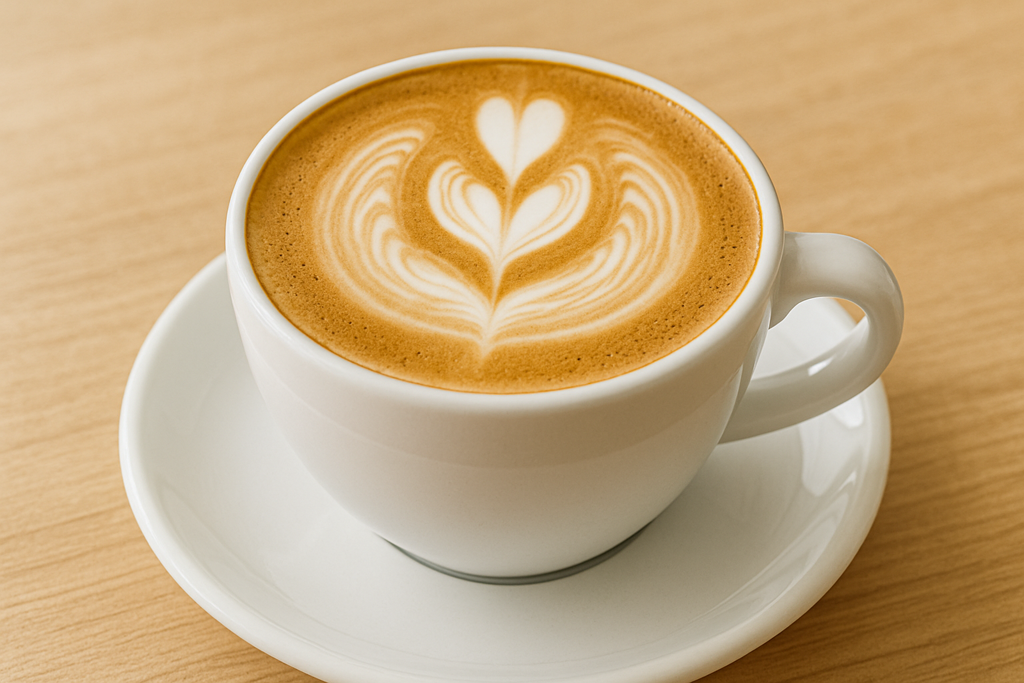
Composition Of A Cappuccino
A cappuccino is made from three distinct ingredients in equal proportion:
- Espresso: A single or double shot brewed by forcing hot water through finely ground, dark-roasted beans.
- Steamed Milk: Heated to 55-65°C, this layer softens the espresso’s intensity and adds a smooth mouthfeel.
- Milk Foam (Microfoam): A dense, velvety layer formed by aerating milk with a steam wand or frother, insulating the drink and enhancing aroma.
This 1:1:1 ratio defines the cappuccino’s structure - one-third espresso, one-third steamed milk, and one-third milk foam - typically served in a porcelain cup holding 150-180 ml.
Each layer serves a purpose:
- The espresso provides a strong, bitter foundation.
- The steamed milk introduces warmth and creaminess.
- The microfoam adds texture, heat retention, and visual appeal.
The result is a harmonized, layered experience that reflects both the Italian heritage of the cappuccino and modern specialty coffee standards.
How Is A Cappuccino Made?
A cappuccino is prepared in three key stages:
- Espresso is brewed: A single or double shot is extracted using an espresso machine or Moka pot. Finely ground, dark-roasted beans are tamped with consistent pressure, then hot water is forced through them over 25–30 seconds to produce a rich shot topped with crema.
- Milk is steamed: Milk is aerated with a steam wand or handheld frother to create microfoam - a creamy, textured foam made of fine bubbles. The milk should be heated to 55-65°C while the pitcher is angled to produce a whirlpool motion for even foam distribution.
- The cappuccino is layered: Steamed milk is gently poured over the espresso, followed by a layer of microfoam approximately 1 cm thick. Latte art may be created by controlling the foam’s flow. At home, this can be replicated using a French press, a microwave, or a frothing device.
When properly made, a cappuccino preserves its 1:1:1 ratio and delivers a balanced sensory experience of bold espresso, smooth milk, and velvety foam.
Types of Cappuccinos
The following list describes the main cappuccino variations based on milk-to-foam ratio, temperature, and preparation style.
- A dry cappuccino contains more milk foam and less steamed milk, creating a stronger espresso flavor and a lighter mouthfeel.
- A wet cappuccino has more steamed milk and less foam, making it creamier and closer in texture to a latte while retaining the cappuccino structure.
- A freddo cappuccino is a cold variation popular in Greece, prepared by shaking or blending a double shot of espresso with cold frothed milk, often served over ice.
- Instant cappuccino mix is a powdered version made with dehydrated coffee, milk solids, sugar, and flavoring, requiring only hot water to prepare.
- Afrógala is a Greek variant that emphasizes cold milk froth over a base of espresso, similar to the freddo cappuccino but with a slightly thicker foam.
Common Customizations for Cappuccinos
Cappuccinos can be personalized in various ways to accommodate taste preferences, dietary restrictions, and regional styles. While the classic structure involves equal parts espresso, steamed milk, and milk foam, several components can be modified without disrupting the drink’s core identity.
- Milk Type: Dairy options like whole milk and skim milk affect the texture and calorie content. Non-dairy alternatives such as oat milk, almond milk, and soy milk cater to vegan or lactose-intolerant drinkers and alter fat and protein levels.
- Flavor Syrups: Additions like vanilla, caramel, and hazelnut syrup enhance sweetness and aroma but significantly increase sugar content.
- Toppings: Popular in some regions, toppings such as cocoa powder or cinnamon are used as garnish. These are not part of a traditional Italian cappuccino.
- Foam-to-Milk Ratio: The ratio can be adjusted to create a dry cappuccino (more foam, less milk) or a wet cappuccino (more milk, less foam), affecting both texture and espresso intensity.
- Extra Espresso Shots: Adding a second shot of espresso increases the drink’s strength and caffeine content.
- Iced Version: A cappuccino can be served cold by using chilled milk and ice, though it deviates from the traditional preparation.
These customizations allow coffee drinkers to adjust the flavor, strength, texture, and nutritional content of a cappuccino, while still preserving its foundational blend of espresso, steamed milk, and foam.
Nutritional Values and Caffeine Content of a Cappuccino
A standard cappuccino made with one espresso shot and whole milk (serving size: 150–180 ml) provides the following nutritional values:
- Calories: Approximately 60–80 kcal
- Protein: 3–4 grams
- Fat: 4 grams
- Carbohydrates: 6–8 grams
The caffeine content in a cappuccino depends on whether it contains a single or double espresso shot. The following values reflect typical caffeine levels based on shot quantity:
- Single shot: ~63 mg of caffeine
- Double shot: ~125 mg of caffeine
Several factors can alter the nutritional profile of a cappuccino, including milk type, added sweeteners, and commercial preparation methods. The following list outlines the most common modifiers and how each one influences the drink’s calories, macronutrients, or sugar levels:
- Milk type: Using skim, oat, soy, or almond milk alters fat, protein, and calorie levels
- Foam layer: Contributes negligible calories
- Syrups and sweeteners: Can significantly increase sugar content and overall calories
- Commercial or flavored versions: Often contain added sugar, artificial flavoring, and higher calorie totals
As a milk-based coffee beverage, a cappuccino provides a moderate dose of caffeine along with nutritional value primarily from the milk component.
Comparison of Cappuccino, Latte, Flat White and Macchiato
The table below shows the main differences between cappuccino, latte, flat white, and macchiato based on foam levels, milk content, flavor intensity, and serving size.
| Drink | Espresso Shots | Steamed Milk | Milk Foam | Typical Volume | Flavor Profile |
|---|---|---|---|---|---|
| Cappuccino | 1–2 | ⅓ of the cup | ⅓ of the cup | 150–180 ml | Balanced, creamy with defined foam |
| Latte | 1–2 | ⅔ of the cup | Thin layer | 240–360 ml | Mild, milk-dominant, smooth |
| Flat White | 1–2 | Microfoamed milk | Very thin layer | 150–180 ml | Strong, silky, espresso-forward |
| Macchiato | 1–2 | Very little | Light dollop | 30–60 ml | Intense, espresso-centric |
History and Origin of the Cappuccino
The cappuccino has its roots in Italy, and its name is believed to reference the Capuchin friars (Frati Cappuccini), whose brown robes resemble the color of the drink. The word “cappuccino” derives from the Italian diminutive of “cappuccio,” meaning “hood.”
The modern form of the cappuccino evolved from the Viennese Kapuziner coffee of the 1700s, a beverage made with coffee, whipped cream, and spices. Over time, this influence merged with Italian espresso culture.
In the early 20th century, advancements in espresso machine technology allowed Italian baristas to create the layered structure of espresso, steamed milk, and foam that defines the cappuccino today. The term became widely recognized by the 1930s.
After World War II, the cappuccino gained popularity throughout Europe, eventually spreading to the United States through the Italian diaspora and the rise of specialty coffee culture.
Notable American coffeehouses like Caffe Reggio in New York and Caffe Trieste in San Francisco helped introduce cappuccino to broader audiences. Its unique appearance, preparation ritual, and cultural symbolism elevated it to a premium global coffee experience.
Frequently Asked Questions About Cappuccinos
What is the difference between a cappuccino and a latte?
A cappuccino has equal parts espresso, steamed milk, and foam, resulting in a stronger flavor and lighter body. A latte has more steamed milk and less foam, creating a smoother, milk-dominant drink with a larger volume.
Is a cappuccino stronger than regular coffee?
Yes, a cappuccino is stronger in flavor than regular coffee. It delivers a more concentrated espresso taste due to its smaller volume and lack of dilution. However, drip coffee may contain more caffeine overall because of its larger serving size.
Does a cappuccino have sugar or chocolate by default?
No, a cappuccino does not contain sugar or chocolate by default. Traditional cappuccinos are unsweetened and do not include chocolate. Cocoa powder or cinnamon may be sprinkled on top as a garnish, especially outside Italy.
What is the foam on a cappuccino called?
The foam on a cappuccino is referred to as microfoam. It is a dense, creamy layer of aerated milk with fine bubbles, created by steaming milk with a steam wand or milk frother.
Can you make a cappuccino without an espresso machine?
Yes, it is possible to make a cappuccino without an espresso machine. A strong coffee base can be prepared using a Moka pot or AeroPress. Milk can be heated and frothed using a French press or handheld frother to replicate the drink’s signature layers of espresso, steamed milk, and foam.
Why is it called a cappuccino?
The drink is called a cappuccino because its color resembles the brown robes of the Capuchin friars. The term “cappuccino” comes from the Italian diminutive of “cappuccio”, meaning “hood.”
Is it okay to drink a cappuccino in the afternoon?
Yes, it is okay to drink a cappuccino in the afternoon. While Italians traditionally consume cappuccino only in the morning, there are no health reasons to avoid it later in the day. Cultural etiquette varies by region.
Does cappuccino have dairy in it?
Yes, standard cappuccinos are made with cow’s milk. However, cafés often offer plant-based alternatives like oat, soy, or almond milk for non-dairy options.
What kind of cup is a cappuccino served in?
A cappuccino is typically served in a small porcelain cup with a capacity of 150–180 ml. The cup retains heat and highlights the layered structure of the drink.
Can cappuccinos be flavored with syrups?
Yes, cappuccinos can be flavored with syrups. Many cafés offer flavored cappuccinos using syrups such as vanilla, hazelnut, or caramel. These alter the drink’s sweetness, aroma, and nutritional profile.