
What Is a Latte?
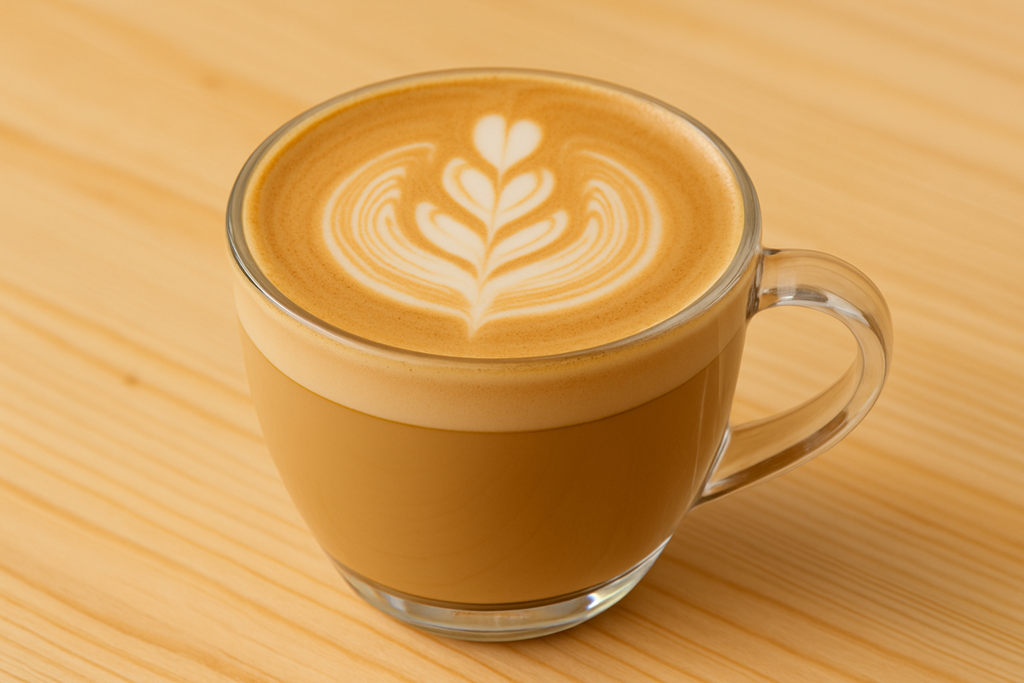
A latte, also known as a caffè latte or café latte, is a popular espresso-based coffee beverage made by combining a single or double shot of espresso with steamed milk and topped with a small layer of milk foam. The drink typically emphasizes the balance between strong espresso flavor and the creamy texture of milk, making it smoother and milder than other espresso drinks like cappuccinos or macchiatos.
Key Ingredients of a Latte
A latte is composed of three essential ingredients, each contributing to its distinct flavor and texture:
- Espresso: The foundation of a latte is a single or double shot of espresso. This provides the drink’s robust coffee flavor and aroma.
- Steamed Milk (Milk-to-Espresso Ratio of 3:1): The standard latte uses three parts of steamed milk to one part espresso. This ratio creates a smooth, creamy consistency and softens the intensity of the espresso.
- Milk Foam (Microfoam Layer): A latte is topped with a fine layer of microfoam — silky, textured milk bubbles usually about 1 cm thick. This not only enhances mouthfeel but also enables latte art by forming a stable, pourable surface.
How To Prepare A Latte?
To make a latte at home like a barista, follow these preparation steps:
- Begin by pulling a single or double espresso shot using an espresso machine. If you don't have one, a Moka pot or Aeropress can serve as a suitable alternative, though flavor intensity and crema quality may differ.
- Steam the milk using a steam wand or milk frother. The ideal temperature for steaming is between 140°F and 160°F. Use a stainless steel milk jug and position the wand near the surface to create microfoam, then submerge it slightly to heat evenly.
- Pour the steamed milk into the espresso. Start from a higher angle to mix milk with espresso, then lower the jug and tilt the cup to gently layer the foam on top. Proper pouring technique ensures distinct layers and enables latte art.
How to Choose the Right Milk for a Latte?
Different types of milk affect the flavor, texture, and foam quality of a latte. Here's how dairy and plant-based options compare:
Dairy Milk Options
- Whole Milk: The most commonly used milk for lattes, thanks to its balanced fat content. It provides excellent creaminess and stable foam.
- 2% Milk (Reduced-fat milk): Produces a slightly lighter texture than whole milk, but still steams well and creates decent foam when handled properly.
- Skim Milk: Results in the lightest texture. While it lacks fat, it can still produce good foam with the right steaming technique.
Non-Dairy Milk Options
- Oat Milk: The most consistent plant-based milk for creating microfoam. Its mild sweetness and creamy texture make it a top alternative.
- Soy Milk: Offers solid foam performance and a neutral flavor. Works well in espresso-based drinks but may curdle if overheated.
- Almond Milk: Has a nutty flavor and a thinner consistency. Can foam, but less reliably than oat or soy milk.
- Coconut Milk: Adds a distinct tropical flavor. Lower protein content makes foaming more difficult, but it can work in flavored lattes.
Common Latte Variants
The following flavored and alternative lattes are commonly served in modern coffee culture.
- An iced latte is a chilled version of the traditional latte. It is made by pouring cold milk and espresso over ice cubes. It does not involve steamed milk, resulting in a lighter mouthfeel and reduced foam.
- Flavored lattes use syrups like caramel, hazelnut, vanilla, or pumpkin spice to add sweetness and aroma. These are typically added to the espresso before combining with milk.
- A latte macchiato is made by pouring espresso over steamed milk, the reverse of a traditional latte. This method creates distinct layers and a bolder espresso flavor on top.
- Modern health-focused lattes include matcha latte (with green tea powder), chai latte (with masala chai), turmeric latte (also known as golden milk), and rooibos latte. These alternatives often use plant-based milk and offer diverse flavor profiles and potential health benefits.
Comparison of Latte with Other Espresso-Based Drinks
The following table compares a latte, cappuccino, and flat white based on milk-to-espresso ratio, foam amount, and overall texture :
| Drink | Milk-to-Espresso Ratio | Foam Amount | Texture |
|---|---|---|---|
| Latte | 3:1 | Light Foam | Creamy and smooth |
| Cappuccino | 1:1:1 | Thick Foam | Light and airy |
| Flat White | 2:1 | Microfoam | Velvety and dense |
What Is Latte Art?
Latte art is the visual decoration created by pouring steamed milk into a shot of espresso, forming designs on the surface of the latte. Common patterns include the heart, tulip, and rosetta. These designs rely on precise milk foam patterns and advanced barista skills. Beyond aesthetics, latte art has become a symbol of specialty coffee culture, demonstrating craftsmanship and enhancing the consumer experience in cafes around the world.
Latte's Origin
The latte originated in Italy, where the term 'caffè latte' simply refers to coffee with milk. Traditionally, it was consumed at breakfast by mixing brewed coffee with hot milk. In the 1980s, the latte gained widespread popularity in the United States, particularly in Seattle's emerging coffee scene. American cafes adapted the drink using espresso instead of brewed coffee, establishing the modern latte as a staple of coffeehouse menus and a cornerstone of American coffee culture.
Frequently Asked Questions About Lattes
What is the difference between a latte and a cappuccino?
A latte uses a 3:1 milk-to-espresso ratio and features a light layer of foam, resulting in a creamy drink. A cappuccino follows a 1:1:1 ratio of espresso, steamed milk, and thick foam, giving it a stronger coffee flavor and a frothier texture.
What is the difference between a latte and a flat white?
A flat white contains less milk and more espresso than a latte, resulting in a stronger taste. It uses microfoam to create a velvety texture, whereas lattes have a thinner layer of foam and a milkier profile.
Can I make a latte without an espresso machine?
Yes, it is possible to make a latte without an espresso machine. You can use tools like a Moka pot, French press, or Aeropress to brew strong coffee. While these methods do not produce authentic espresso crema, they offer similar intensity. You can heat and froth milk separately using a whisk, microwave, or milk frother.
Which milk makes the best foam for lattes?
The best milk for foaming in lattes is whole milk, due to its high protein content and balanced fat ratio. Milk proteins like casein and whey contribute to foam stability and texture. Among non-dairy alternatives, oat milk offers the most reliable microfoam, followed by soy milk and almond milk.
Are lattes high in caffeine?
Lattes are moderately high in caffeine, depending on how many espresso shots are used. A standard latte typically contains one or two shots, delivering between 63–126 mg of caffeine. This makes lattes lower in caffeine than black coffee but stronger than beverages like caffè au lait.
Is a latte healthy or unhealthy?
A latte can be healthy or unhealthy depending on its ingredients and portion size. Whole milk contributes more calories and fat, while plant-based options like almond or oat milk are lower in calories. Added flavored syrups can significantly increase sugar content. When made with unsweetened milk and consumed in moderation, a latte can be a balanced and nutritious beverage.
Why is a latte usually served in a glass?
A latte is usually served in a glass to highlight its visual layers and enhance presentation. The transparency showcases the distinct separation of espresso, steamed milk, and foam. This serving choice also reflects modern coffeehouse aesthetics and allows baristas to display latte art and crema.
How hot should the milk be for a latte?
The ideal milk temperature for a latte is between 140°F and 160°F. This range creates a smooth texture and prevents throat burns. Overheating milk can scald it, reducing sweetness and damaging foam quality.
How many espresso shots are in a typical latte?
A typical latte contains one shot of espresso for an 8 oz cup and two shots for a 12 oz or larger serving. Regional variations and personal preferences may influence the number of shots used.
What is a latte without foam called?
A latte served without milk foam is sometimes referred to as a 'flat latte.' It features steamed milk only, creating a smoother but less textured mouthfeel compared to a traditional latte.