
What Is a Mocha?
A Mocha is a chocolate-flavored espresso-based coffee drink made by combining a shot of espresso with chocolate syrup and steamed milk, typically topped with milk foam or whipped cream. The term “mocha” can refer to both the beverage and the flavor, which blends the bitterness of coffee with the sweetness of chocolate. The mocha beverage is distinct from the Moka pot, a stovetop coffee brewing device, and from mocha beans—a historical term for coffee exported from the port of Mokha in Yemen.
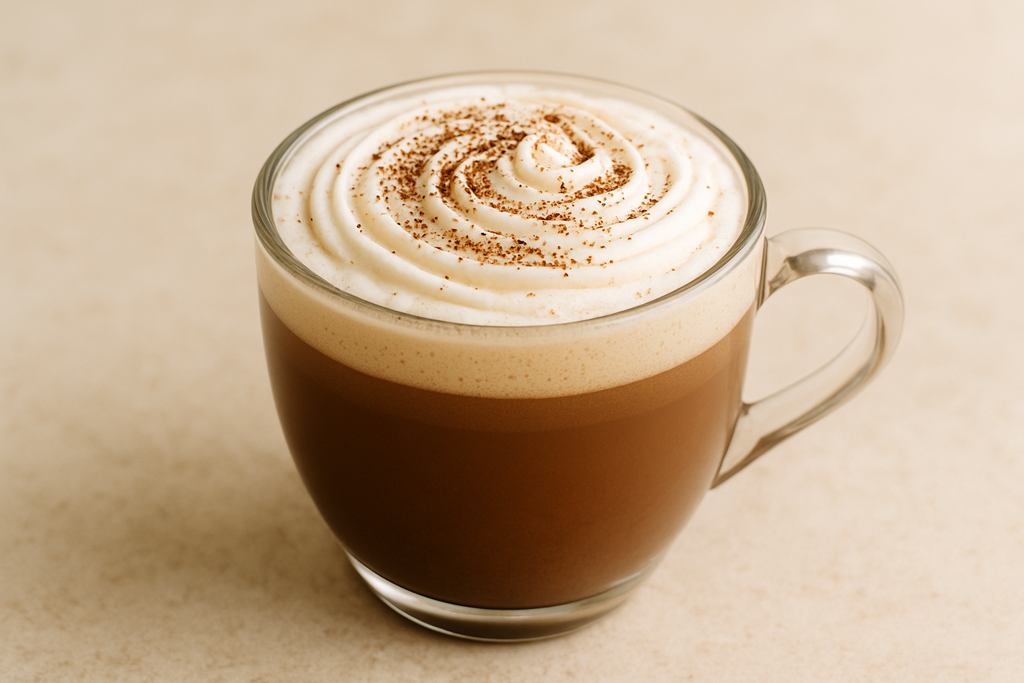
Key Ingredients of a Mocha Coffee Drink
The traditional mocha coffee drink is made by layering a set of core ingredients—each contributing to its rich taste and creamy texture. These include:
- Espresso serves as the base of a mocha, providing a bold coffee flavor and caffeine content.
- Chocolate syrup, typically made from dark or milk chocolate, gives the drink its signature sweetness and depth.
- Steamed milk adds creaminess and balances the bitterness of espresso and richness of chocolate.
- Milk foam creates a velvety mouthfeel and enhances the drink’s visual appeal.
- Whipped cream is an optional topping that adds indulgence and texture.
- Dark chocolate imparts a deeper, more robust flavor profile than milk chocolate.
- White chocolate is used in variations such as white mocha for a sweeter, buttery taste.
Taste and Texture of a Mocha
Mocha coffee offers a distinctive chocolate flavor that blends smoothly with the bold, slightly bitter notes of espresso. The result is a drink that is sweet yet robust, offering both comfort and complexity. The texture is velvety due to the presence of steamed milk and milk foam, creating a creamy mouthfeel. A well-made mocha strikes a balance between the intensity of coffee and the sweetness of chocolate, ensuring neither dominates. The mocha flavor is consistent across hot and iced preparations, though temperature can slightly affect the perceived richness and aroma.
How to Make a Mocha at Home?
To prepare a classic mocha at home, follow these steps:
- Brew a fresh espresso shot using an espresso machine or a strong coffee concentrate using a French press or moka pot.
- In a saucepan, gently heat and stir together chocolate syrup or cocoa powder with a small amount of milk until smooth.
- Steam the remaining milk until it reaches a velvety texture, typically between 140°F and 150°F.
- Pour the chocolate mixture into a cup, then add the espresso shot and stir to combine.
- Top the drink with the steamed milk and a thin layer of milk foam.
- Optionally, garnish with whipped cream or chocolate shavings for added sweetness and visual appeal.
Popular Mocha Variants
The following mocha coffee drink variations are widely available in cafés and coffee chains worldwide.
- White mocha uses white chocolate instead of milk or dark chocolate for a sweeter, buttery flavor.
- Peppermint mocha incorporates peppermint syrup for a refreshing, seasonal twist, often popular during the holidays.
- Caramel mocha blends caramel syrup with chocolate and espresso, creating a sweet and slightly salty profile.
- Tuxedo mocha, also known as zebra mocha, combines both white and dark chocolate for a layered chocolate experience.
Mocha Flavor Customizations and Dairy-Free Options
Beyond standard variants, mochas can be customized with additional flavors and milk alternatives:
- Flavored syrups – Hazelnut, vanilla, and cinnamon can enhance or personalize taste.
- Milk alternatives – Oat milk, almond milk, and coconut milk offer dairy-free options and modify creaminess and flavor.
Mocha Serving Options and Seasonal Toppings
The following serving options highlight how mochas can be adapted for different seasons and preferences.
- Hot mocha is served warm in ceramic cups, ideal for winter months and traditional café service.
- Iced mocha is poured over ice and often blended with milk and chocolate syrup for a cold, refreshing variation.
- Whipped cream is a common topping for both hot and iced versions, enhancing sweetness and texture.
- Cinnamon can be sprinkled on top for an aromatic and spicy finish.
- Candy cane is a festive topping during the winter season, often used in peppermint mocha variations.
- Seasonal offerings during the winter season may include themed flavors, festive cups, and added toppings like chocolate shavings or marshmallows.
Comparison: Mocha vs. Latte vs. Cappuccino
This table compares the key characteristics of a mocha with other popular espresso-based beverages.
| Beverage | Ingredients | Flavor Profile | Milk Content | Chocolate |
|---|---|---|---|---|
| Mocha | Espresso, chocolate syrup, steamed milk, milk foam | Sweet, rich, chocolate-forward | High | Yes |
| Latte | Espresso, steamed milk, light milk foam | Mild, creamy, coffee-dominant | High | No |
| Cappuccino | Espresso, equal parts steamed milk and milk foam | Strong, balanced, frothy | Medium | No |
The Origin of the Mocha Coffee Drink
The term “mocha” originates from the port city of Mokha in Yemen, a major hub for coffee trade between the 15th and 17th centuries. Coffee exported from Mokha was prized for its complex, chocolate-like flavor, leading to the association of the word “mocha” with chocolate-coffee blends. Mocha beans, which were grown in Yemen and shipped through Mokha, were among the earliest Arabica beans traded internationally. Though modern mocha drinks do not typically use Yemeni beans, the historical connection to Mokha influenced the name and perceived taste of the beverage.
Frequently Asked Questions About Mocha Coffee
What does a mocha coffee taste like?
A mocha coffee tastes rich and indulgent, blending the deep bitterness of espresso with the smooth sweetness of chocolate. The result is a creamy and comforting beverage that appeals to both coffee lovers and those who enjoy chocolate-based drinks. The balance between mocha flavor and coffee strength makes it distinct from pure hot chocolate or a regular latte.
Is a mocha stronger than a latte?
A mocha is not necessarily stronger than a latte in terms of caffeine, as both typically contain one or two shots of espresso. However, mocha may feel stronger due to the added richness and depth of the chocolate flavor, even if the caffeine levels are nearly identical. The perception of strength is often influenced by the intensity of the mocha’s sweet and bold taste.
Does mocha have more sugar than cappuccino?
Yes, a mocha generally contains more sugar than a cappuccino due to the addition of chocolate syrup and optional whipped cream. While cappuccinos use only espresso, steamed milk, and foam without sweeteners, mochas are intentionally sweetened and may also include sugary toppings, making them a dessert-like beverage.
Can you make a mocha without an espresso machine?
Yes, you can make a mocha without an espresso machine by using strong brewed coffee, instant espresso, or a French press to create a concentrated base. Combine this with heated milk and chocolate syrup or cocoa powder to replicate the mocha flavor and texture without specialized equipment.
Does a mocha always contain coffee?
A traditional mocha does contain coffee, as it is defined by its espresso base. However, caffeine-free alternatives exist—especially for children or those avoiding caffeine—where chocolate milk is used as a substitute. These versions mimic the mocha flavor but do not include any coffee.
What is the difference between a mocha and a mochaccino?
A mocha and a mochaccino are similar drinks, but they differ in milk-to-foam ratios and texture. A mochaccino typically has more milk froth and is closer in style to a cappuccino with added chocolate. In contrast, a mocha uses more steamed milk and is creamier with a more pronounced chocolate flavor.
What’s in a white mocha?
A white mocha contains espresso, steamed milk, and white chocolate syrup, typically topped with whipped cream. This variation of the traditional mocha uses white chocolate instead of milk or dark chocolate, resulting in a sweeter drink with a buttery, vanilla-like profile.
Can I customize a mocha with plant-based milk?
Yes, mochas can be customized using plant-based milk alternatives such as oat milk, almond milk, or coconut milk. Each option affects the texture and flavor: oat milk provides creaminess, almond milk adds a nutty note, and coconut milk introduces a subtle tropical flavor. These options are suitable for vegan and lactose-intolerant consumers.
What toppings can I add to enhance a mocha?
The following toppings are frequently used to add visual appeal and flavor complexity to a mocha coffee drink.
- Whipped cream adds volume and sweetness to both hot and iced mochas.
- Chocolate sprinkles or shavings enhance the visual presentation and intensify the chocolate flavor.
- Cinnamon provides a warm, spicy note that complements the chocolate and espresso.
- Nutmeg delivers a slightly sweet and earthy aroma that pairs well with winter-themed drinks.
- Marshmallows can be added for a dessert-like twist, especially in hot mochas served during colder months.
Is mocha a healthy drink choice?
Mocha is not considered a particularly healthy drink, as it is typically high in calories and sugar due to chocolate syrup and toppings like whipped cream. A standard serving can contain between 200 and 400 calories, depending on size and customizations. To make a mocha healthier, you can opt for low-fat milk, skip the whipped cream, and use sugar-free syrups. The caffeine content, averaging around 152 mg for a 12-ounce drink, is moderate and generally suitable for most adults.