
What Is An Espresso?
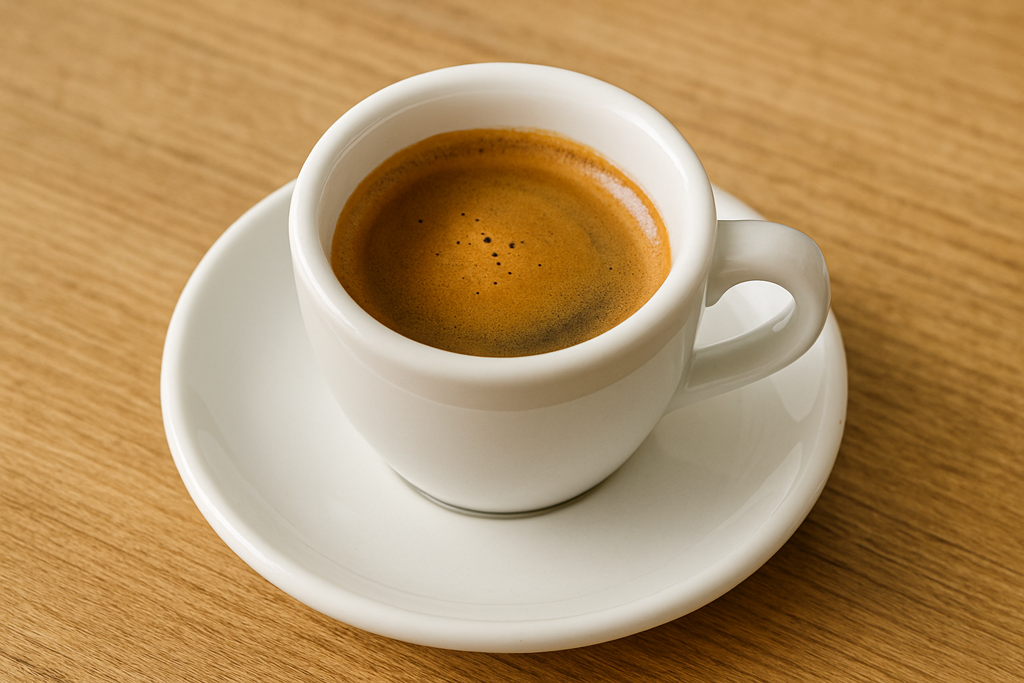
An Espresso is a concentrated coffee beverage made by forcing hot water under high pressure through a bed of finely ground coffee beans. It is characterized by its small serving size, typically 25–30 milliliters, intense flavor, and a golden-brown crema layer on top. Originating in Italy, espresso is the foundation for numerous milk-based and water-diluted coffee drinks. Its distinct preparation method and sensory profile differentiate it from regular brewed coffee.
How Is Espresso Made?
Espresso is prepared using a specialized process that requires precise control over grind size, tamping pressure, water temperature, and brewing time. The method involves forcing hot water through a compact puck of finely ground coffee at approximately 9 bars of pressure, typically for 25–30 seconds. This high-pressure brewing extracts soluble solids, oils, and aromatic compounds that contribute to espresso’s unique flavor and crema layer.
Here is a step-by-step guide to making espresso using an espresso machine, from grinding the beans to extracting a shot with crema:
- Grind the coffee beans to a fine consistency specifically suited for espresso extraction.
- Place the ground coffee into the espresso basket within the portafilter and level the bed evenly.
- Apply even tamping pressure to compact the grounds and create resistance for the water flow.
- Insert the portafilter into the group head of the espresso machine and begin the extraction process.
- Use 9 bars of pressure to force water heated to 88–96°C through the coffee puck for 25–30 seconds.
- Observe the espresso as it flows into the cup, forming a rich crema layer on top of the shot.
What Defines an Espresso Shot?
The following traits define espresso and distinguish it from other coffee preparations.
- Espresso is brewed using approximately 9 bars of pressure, resulting in a high-extraction yield in a short time.
- The grind size for espresso is finer than that used for drip or French press coffee, enabling proper resistance during extraction.
- Espresso is served in small volumes, typically 25–30 ml per shot, to preserve intensity and crema quality.
- The crema layer is a defining feature, formed from emulsified oils, CO₂, and soluble compounds, providing aroma and visual appeal.
- Espresso has a strong, concentrated flavor profile due to its coffee-to-water ratio of approximately 1:2.
Types of Espresso Shots
The following are the main espresso shot types, each defined by its ratio and extraction style.
- A ristretto is a short shot extracted using a 1:1 coffee-to-water ratio, resulting in a highly concentrated flavor with reduced bitterness.
- A normale, also called a standard espresso, uses a 1:2 ratio and is considered the classic espresso shot in terms of taste and balance.
- A lungo is brewed using a 1:3 or greater ratio, producing a longer shot with more water and a milder flavor profile.
- A doppio, or double espresso, involves using twice the amount of ground coffee and extracting approximately 50–60 ml in volume.
- A triple shot is prepared using three times the standard amount of coffee grounds and yields about 75–90 ml of espresso.
Espresso-Based Drinks
The following are popular espresso-based drinks that combine milk or water in different ratios to create distinct textures and flavor profiles :
- A cappuccino consists of one part espresso, one part steamed milk, and one part milk froth, resulting in a balanced and foamy beverage.
- A caffè latte contains one shot of espresso and a larger quantity of steamed milk, with a thin layer of microfoam on top, making it smoother and milkier.
- A flat white includes a double shot of espresso and a smaller volume of steamed milk, creating a stronger taste with less foam than a latte.
- A macchiato is a shot of espresso topped with a small dollop of milk froth, preserving the espresso’s strength while softening its edges.
- An americano is made by diluting espresso with hot water, producing a beverage similar in strength to drip coffee but with espresso flavor.
- A long black is the inverse of an americano, with espresso poured over hot water, helping to preserve the crema and enhance flavor.
Espresso vs. Drip Coffee
This table provides a side-by-side comparison of espresso and drip coffee, highlighting differences in pressure, grind size, extraction time, serving volume, caffeine content, flavor intensity, and the presence of crema.
| Attribute | Espresso | Drip Coffee |
|---|---|---|
| Brewing Pressure | 9 bars of pressure | Gravity-based, no pressure |
| Grind Size | Very fine | Medium-coarse |
| Extraction Time | 25–30 seconds | 3–5 minutes |
| Volume per Serving | 25–30 ml (single shot) | 240 ml (8 oz cup) |
| Caffeine Content | ~65 mg per shot | ~150–200 mg per cup |
| Flavor Intensity | Very strong and concentrated | Smoother and more diluted |
| Crema Layer | Present | Absent |
Espresso Machines
Espresso machines are specialized devices designed to brew coffee by forcing hot water through finely ground coffee under high pressure. There are several categories of espresso machines, including manual, semi-automatic, automatic, and super-automatic models. Manual machines offer full control but require significant skill, while super-automatic machines handle grinding, tamping, and brewing with minimal input. Notable brands such as Gaggia, La Marzocco, and Faema are known for producing high-quality machines used in both home and commercial settings.
Below are the main parts of a typical espresso machine and their functions in the brewing process :
- The portafilter is a metal filter holder that locks into the group head and holds the coffee puck during extraction.
- The group head is the part of the machine that distributes pressurized water evenly over the coffee grounds.
- The boiler heats water to the precise temperature required for brewing and steaming milk.
- The electric pump generates the required 9-bar pressure needed for espresso extraction in most modern machines.
- The pressure gauge displays real-time extraction pressure, helping baristas adjust for consistency and shot quality.
- The temperature control system maintains stable brewing temperatures to ensure flavor consistency across shots.
History of Espresso
Espresso originated in Italy in the late 19th century, driven by the need for faster coffee preparation methods in a growing urban culture. The word “espresso” comes from the Italian verb “esprimere,” meaning “to express” or “to press out,” referring to the high-pressure brewing method.
The first known espresso machine was patented in 1884 by Angelo Moriondo, who designed it to brew coffee more rapidly using steam pressure.
Luigi Bezzera later improved Moriondo’s invention, introducing the portafilter and single-serving espresso shots—key innovations that defined modern espresso preparation.
Desiderio Pavoni commercialized Bezzera’s design, showcasing it at the Milan Fair in 1906 and helping establish espresso as a cornerstone of Italian coffee culture.
Over time, espresso became a global phenomenon, symbolizing both Italy’s coffee heritage and modern café culture worldwide.
Frequently Asked Questions About Espresso
How much caffeine is in a single shot of espresso?
A single shot of espresso typically contains around 63 to 65 milligrams of caffeine, although the exact amount can vary based on bean type, grind size, and extraction time. Despite its small volume, espresso is more concentrated than drip coffee. However, a standard 8-ounce cup of drip coffee usually contains more total caffeine due to its larger volume.
Is espresso always made with dark roast beans?
No, espresso is not always made with dark roast beans. While traditional espresso often uses medium-dark to dark roasts for a bold flavor, modern espresso, especially in third-wave coffee culture, increasingly uses medium or even light roasts to highlight origin-specific flavor notes. The choice of roast depends on the desired flavor profile and preparation style.
Can I make espresso without a machine?
No, you cannot make true espresso without a machine. However, similar results can be achieved using tools like the AeroPress with a metal filter, a moka pot, or a manual lever press. These methods simulate some aspects of espresso but do not achieve the full 9-bar pressure needed for authentic espresso extraction.
What is crema and why is it important?
Crema is the golden-brown foam that forms on top of a freshly pulled espresso shot. It consists of emulsified coffee oils, carbon dioxide, and soluble compounds. Crema enhances the aroma and taste of espresso and serves as a visual indicator of freshness and proper extraction technique.
What is the ideal espresso shot time?
The ideal extraction time for a single shot of espresso is typically between 25 and 30 seconds. This time range allows for optimal extraction of flavor compounds while minimizing bitterness or sourness. Deviations may indicate under- or over-extraction and affect taste and balance.
Is espresso stronger than coffee?
Espresso is stronger than drip coffee in terms of flavor intensity and caffeine concentration per milliliter. However, due to its smaller volume, a single espresso shot generally contains less total caffeine than a full cup of drip coffee. The perception of strength also comes from its bold flavor and concentrated texture.
Why is espresso served in small cups?
Espresso is served in small cups, typically called demitasses, because the beverage itself has a small volume of 25–30 ml. The small cup size helps retain heat, preserve aroma, and concentrate flavor. It also enhances the crema’s stability and overall sensory experience.
Are espresso beans different from coffee beans?
No, espresso beans are not fundamentally different from coffee beans. They are not a separate species but are typically roasted and labeled for use in espresso preparation. The designation often implies a roast level, blend composition, or grind size suitable for high-pressure extraction. Both Arabica and Robusta beans can be used for espresso, depending on the desired flavor and crema production.
What are the common brewing errors when making espresso?
Common brewing errors include using the wrong grind size, applying uneven or insufficient tamping pressure, and failing to maintain consistent water temperature. Channeling, where water flows unevenly through the coffee puck, leads to under- or over-extraction. Dirty equipment and incorrect brew ratios can also degrade shot quality and flavor.